Innovating Across Borders. Building Ideas. Creating Global Perspectives.
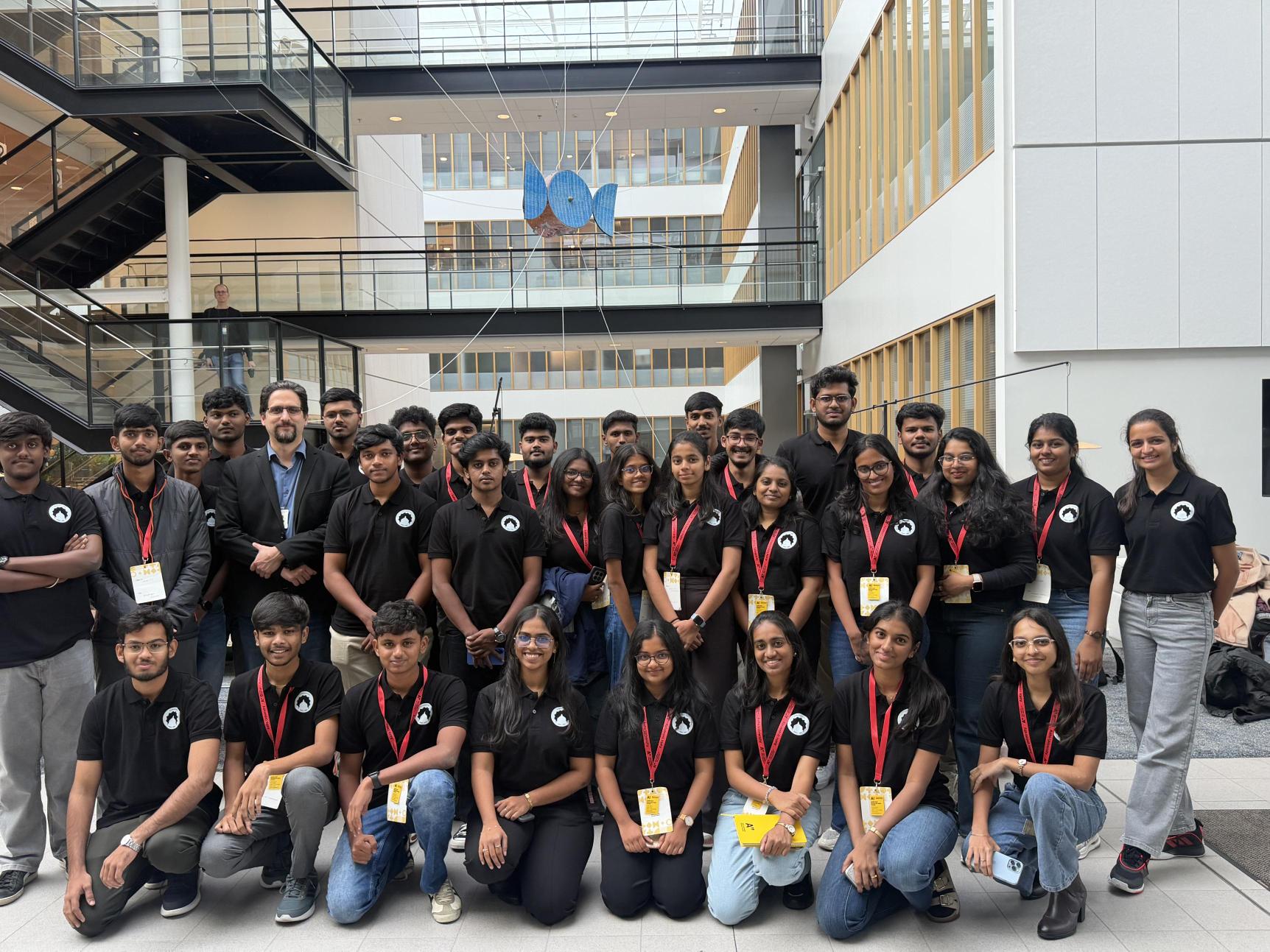
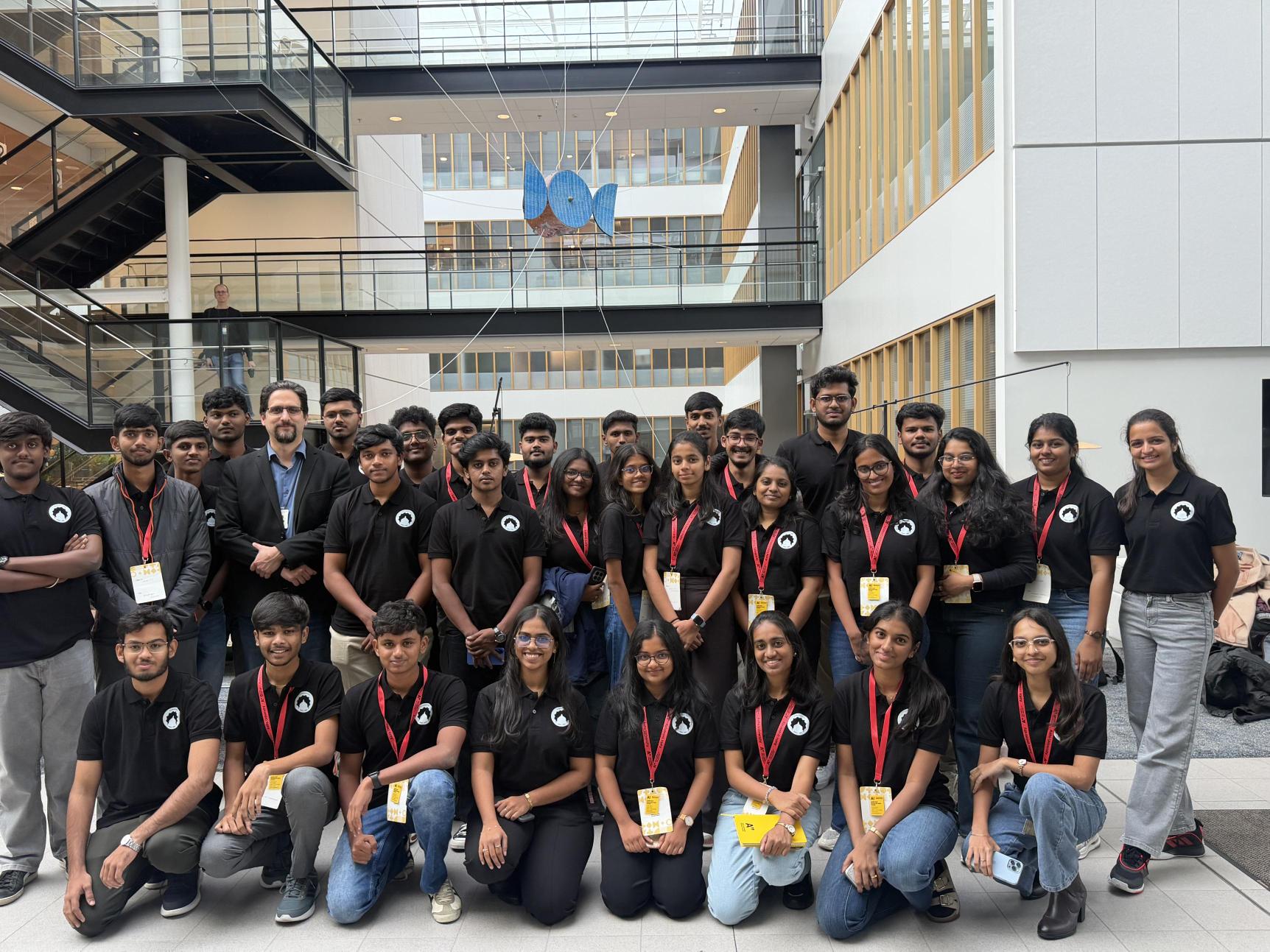
The Global Immersion Programme at Aalto University, Finland, offered KCLAS students an opportunity to experience an internationally acclaimed innovation and entrepreneurship ecosystem through hands-on learning, interdisciplinary collaboration and exposure to emerging technologies.
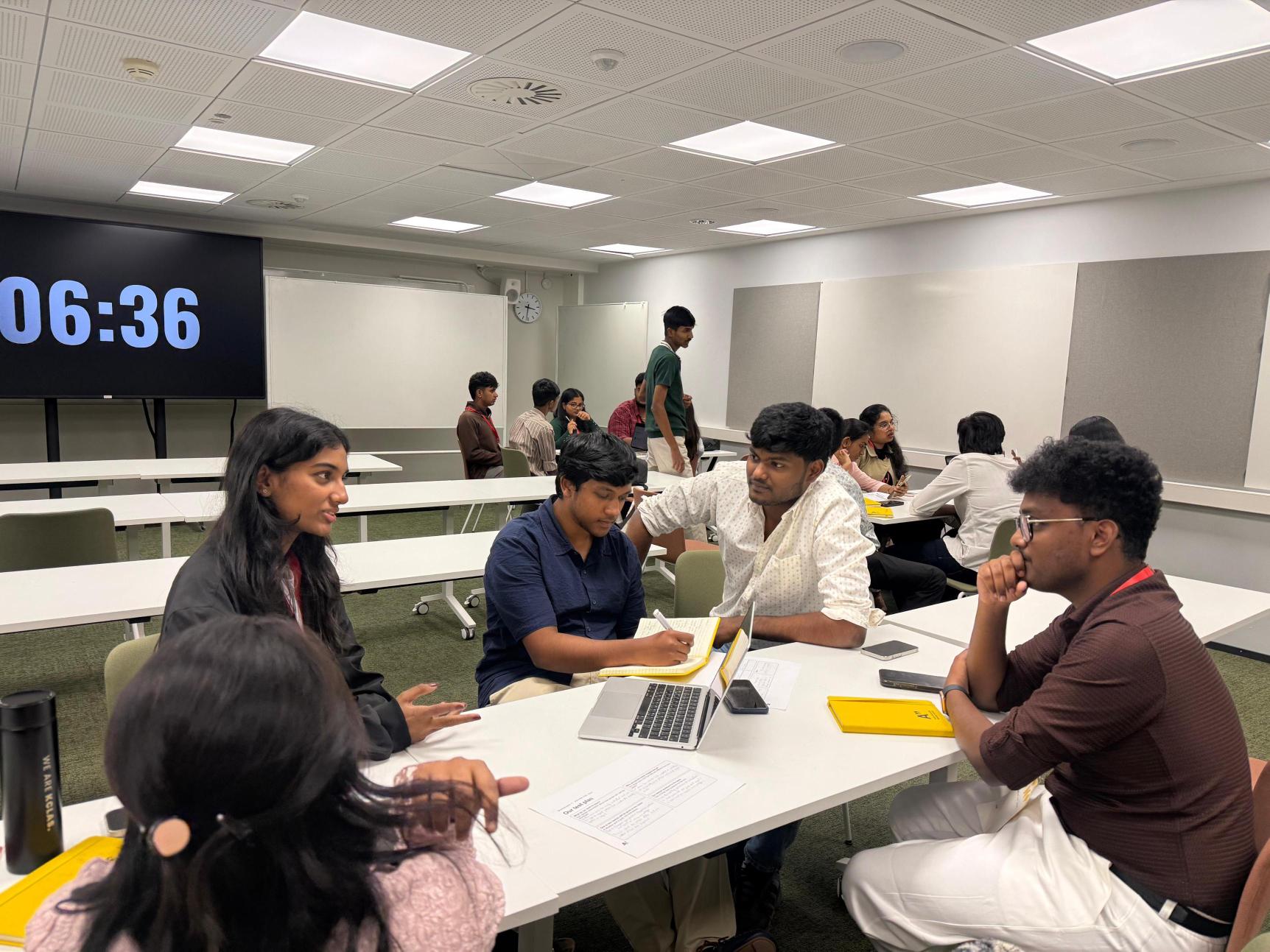
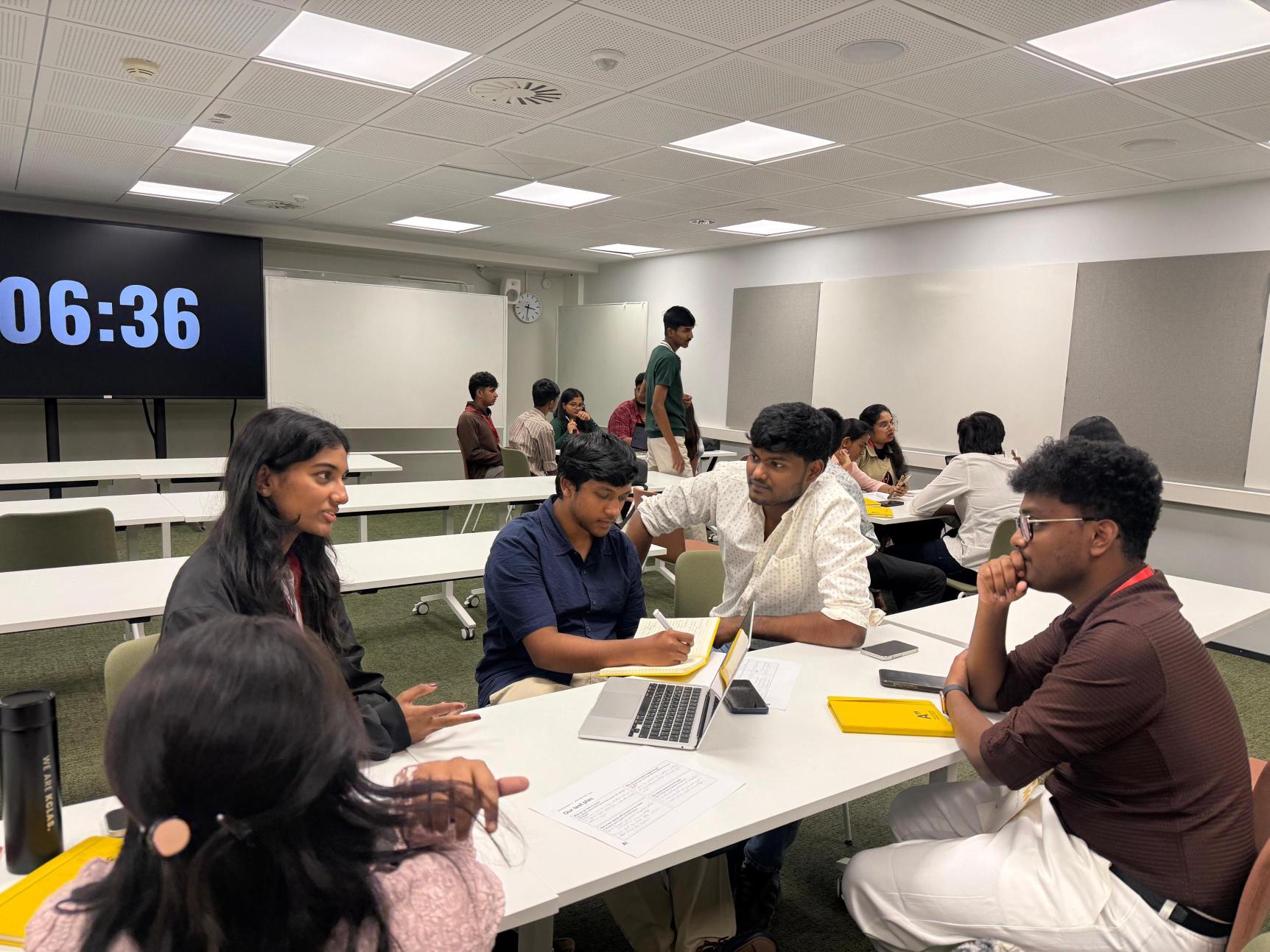
Designed around the theme of innovation-led entrepreneurship, the programme brought together design thinking, strategic foresight, sustainable business models, artificial intelligence and venture development. Working in interdisciplinary teams, students progressed from identifying real-world challenges to developing business concepts, building digital prototypes and pitching their solutions to an international panel.
Beyond the classroom, interactions with Aalto's innovation ecosystem, research facilities, startup communities and industry practitioners provided valuable insights into how ideas are transformed into impactful solutions.
DAY-WISE LEARNING JOURNEY & OUTCOMES
04 October | Arrival in Helsinki – Beginning the Global Experience
The KCLAS delegation arrived in Helsinki, Finland, and travelled to the accommodation using the city's public transport network. Following check-in, students received their room allocations, HSL travel cards and essential safety instructions. Buddy pairs were formed to encourage peer support and collective responsibility throughout the immersion.
Key Outcomes & Learning
- Acclimatised to the international learning environment.
- Developed an understanding of Helsinki's public transportation and urban mobility systems.
- Established peer connections and a collaborative support network.
05 October | Getting Started – Exploring Innovation and Entrepreneurship
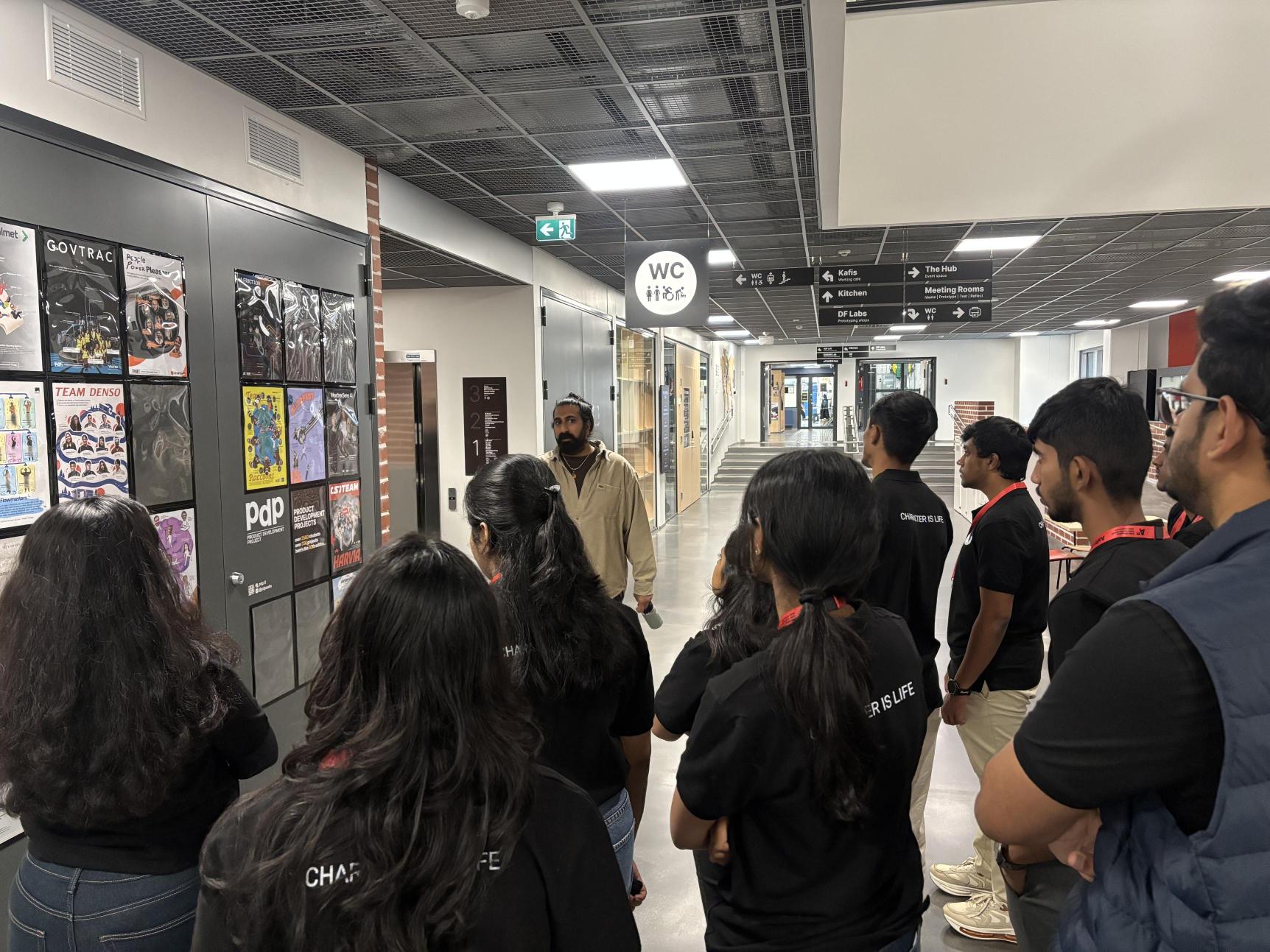
The programme commenced with a campus tour and a welcome session by Marcela Acosta, followed by the course orientation, project briefing and team formation.
Students participated in sessions on Tech Entrepreneurship and Strategic Foresight using the PESTEL framework, facilitated by Heejae Jun. These sessions introduced students to the process of identifying global trends, understanding emerging opportunities and anticipating challenges that influence entrepreneurial ventures.
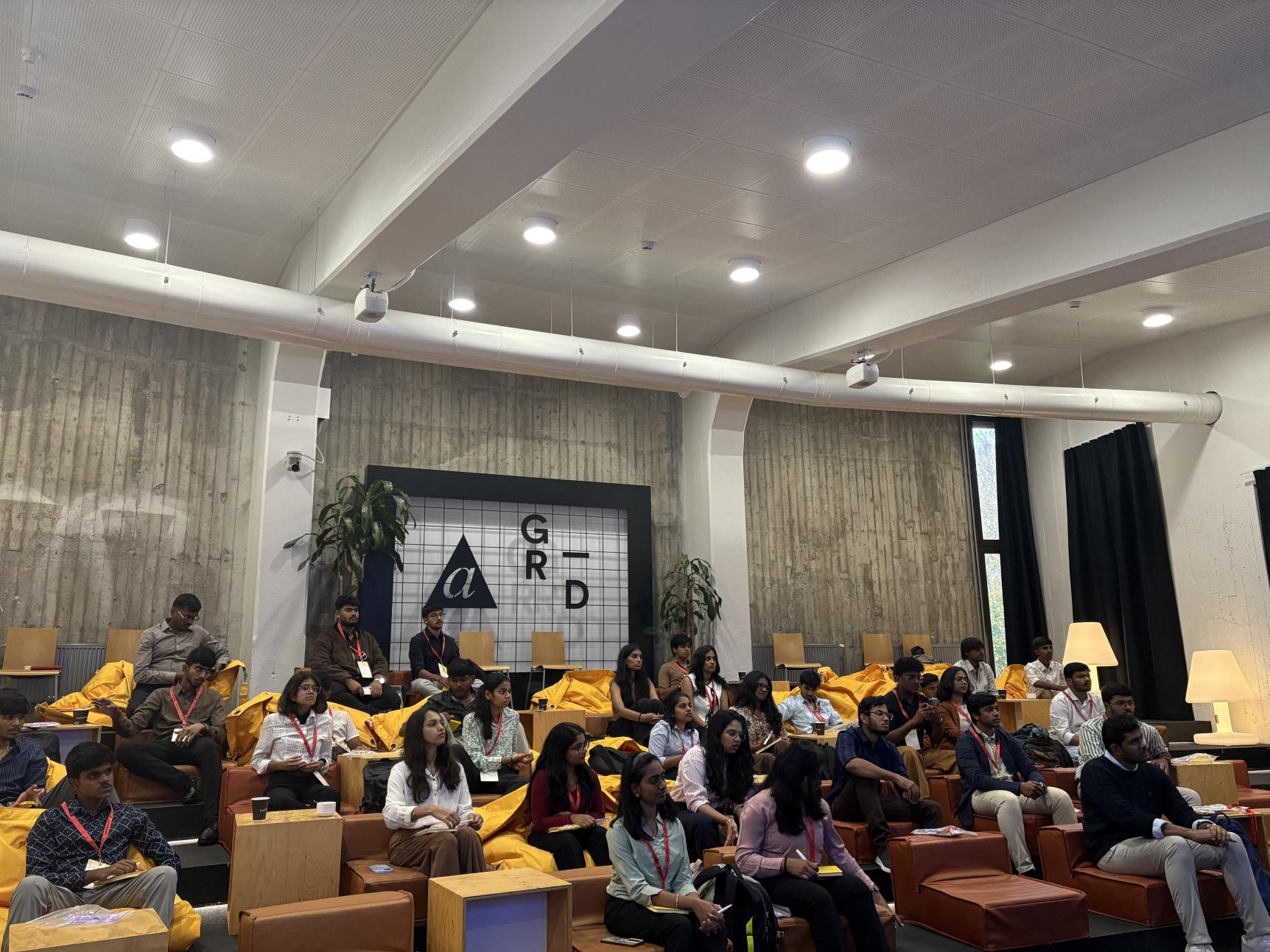
The day also included faculty interactions with the SGT team over lunch, a tour of A Grid with Leigh Ewin and a visit to Startup Sauna, offering first-hand exposure to collaborative innovation spaces and student entrepreneurship.
Key Outcomes & Learning
- Six interdisciplinary teams of five students each were formed.
- Defined individual responsibilities within the teams.
- Applied strategic foresight to identify emerging opportunities and potential business challenges.
- Translated global trends into initial entrepreneurial ideas.
- Gained insights into Aalto's innovation and startup ecosystem.
06 October | Defining the Venture – From Problems to Possibilities
The second day focused on Service Design, Design Thinking and Sustainable Business Models. Students explored human-centred approaches to innovation, learning how to identify user needs, define problems and develop solutions that create meaningful value.
An interactive Q&A with the Summer School team provided further insights into the programme and the Finnish learning environment. The day concluded with an engagement at Startup Sauna, hosted by Aaltoes, where students gained exposure to a vibrant student-led entrepreneurial community.
Key Outcomes & Learning
- Identified target users and defined the problems their ventures intended to address.
- Developed initial value propositions and business models.
- Incorporated sustainability considerations into their venture concepts.
- Understood the importance of user-centred innovation and market relevance.
- Gained exposure to student-led entrepreneurship and startup networking.
07 October | Building and Testing – Turning Ideas into Prototypes
The third day moved from conceptualisation to execution. Students visited the Designs for a Cooler Planet exhibition at Marsio, exploring innovative approaches to sustainability and future-oriented design.
A hands-on session on AI-powered vibe coding introduced students to emerging tools that enable rapid digital product development. Working collaboratively, teams developed functional prototypes of their proposed solutions and participated in peer-testing exercises, receiving feedback from fellow teams.
A guest interaction with Apurva Ganoo offered insights into studying and building a business in Finland, adding an international entrepreneurial perspective to the learning experience.
Key Outcomes & Learning
- Translated venture concepts into functional digital prototypes.
- Explored the application of AI in rapid product development.
- Tested prototypes through peer interactions and feedback.
- Identified gaps in usability, functionality and problem-solving approaches.
- Developed a practical understanding of how technology can accelerate innovation.
08 October | Iterating and Refining – Strengthening the Innovation
The fourth day focused on improving prototypes and strengthening the business propositions. Students visited the Aalto Design Factory, gaining insights into interdisciplinary collaboration, experimental learning and innovation-driven product development.
Teams incorporated feedback from earlier testing sessions to refine their prototypes and pitch presentations. The programme also included a company visit to Isaware, a Finnish deep-tech company, providing students with exposure to technology-driven business operations and industry applications.
Faculty members participated in a CHEMARTS meeting and laboratory visit, along with a research interaction and laboratory visit with Professor Hele Savin, offering opportunities to explore interdisciplinary research and academic collaboration.
Key Outcomes & Learning
- Refined prototypes based on peer-testing feedback.
- Strengthened business propositions and pitch presentations.
- Understood the role of interdisciplinary collaboration in innovation.
- Gained industry exposure through interaction with a Finnish deep-tech company.
- Explored research possibilities and academic collaboration through faculty engagements.
09 October | Final Pitches – Presenting Ideas to the World
The programme culminated in the final venture presentations, where all six teams showcased their concepts, demonstrated their prototypes and presented their business propositions.
The presentations provided students with an opportunity to communicate their ideas, articulate their value propositions and respond to feedback from an international evaluation panel.
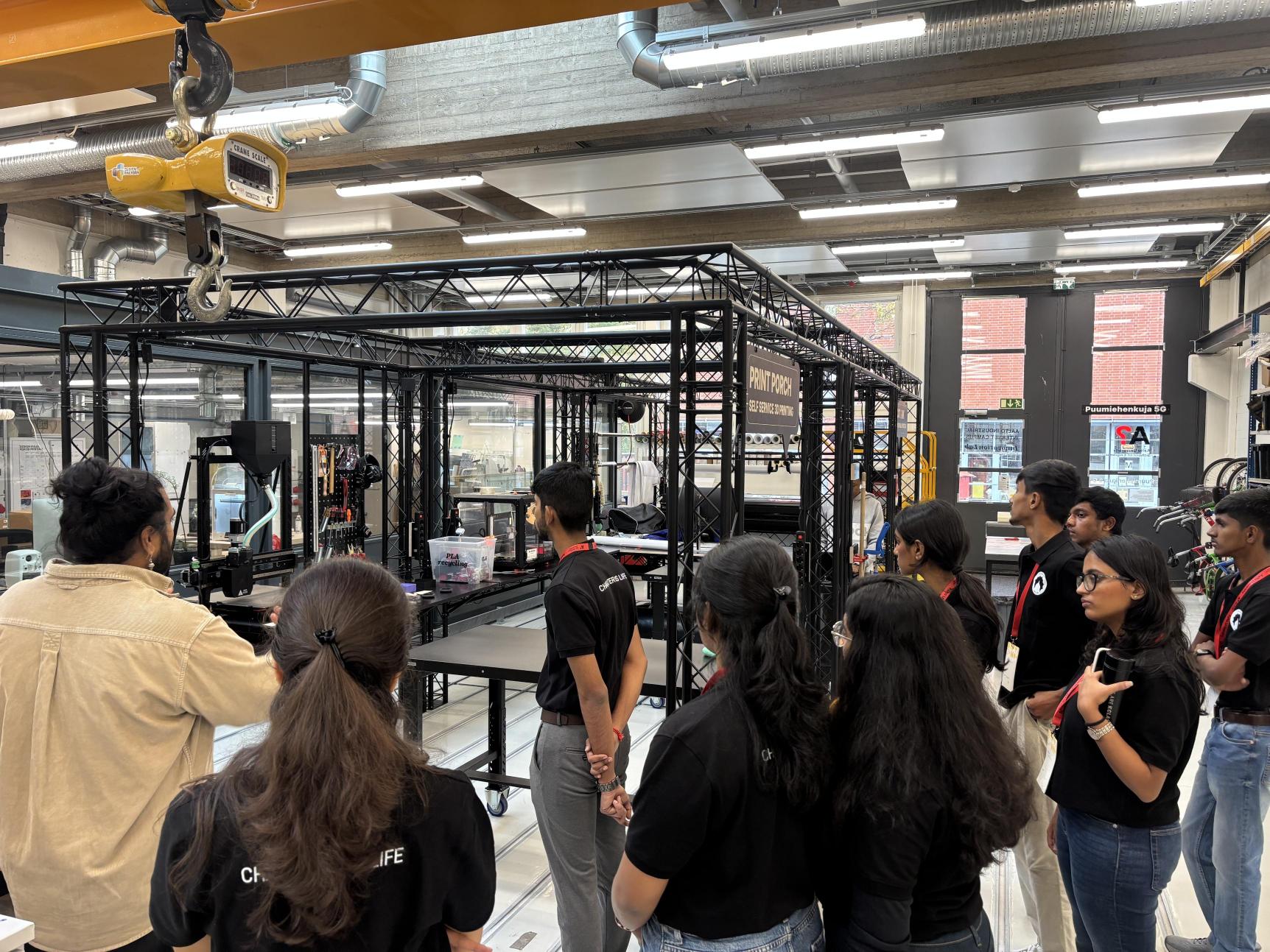
The day also featured the certificate ceremony and visits to the Aalto Fablab, organised in two groups, introducing students to fabrication facilities and hands-on experimentation.
Faculty engagements included a courtesy call at the Embassy of India and a meeting with Aalto Junior, further strengthening the international academic and institutional exposure.
Key Outcomes & Achievements
- All six teams presented their entrepreneurial concepts.
- Students demonstrated their working prototypes and venture propositions.
- Certificates were awarded upon programme completion.
- EcoCycle Bio Energy secured First Place for its innovative clean technology and circular bio-economy solution.
- Students gained confidence in presenting and defending ideas before an international audience.
- Faculty engagements opened avenues for further academic interaction and collaboration.
10 – 11 October | Cultural Immersion – Learning Beyond the Classroom
The final phase of the immersion included a cultural programme in Helsinki and Nuuksio, allowing students to experience Finnish culture, lifestyle and natural surroundings.
Students also participated in reflective discussions, identifying key takeaways from the programme and exploring how their international learning could translate into meaningful ideas and initiatives at Kumaraguru.
A post-visit survey captured their experiences, reflections and learning outcomes.
Key Outcomes & Learning
- Developed cross-cultural awareness and international perspectives.
- Experienced Finnish approaches to sustainability, community living and public spaces.
- Reflected on the application of international best practices within the Kumaraguru ecosystem.
- Identified opportunities to translate learning into campus initiatives and future projects.
- Strengthened interpersonal skills, adaptability and global outlook.
12 October | Departure – Taking the Learning Forward
The final day included a faculty interaction with Demos Helsinki, offering further perspectives on innovation, societal transformation and future-oriented thinking.
Following the meeting, the delegation departed for India on flight EK 168, concluding the Global Immersion Programme.
Key Outcome
Students and faculty returned with valuable international exposure, practical entrepreneurial experience, enhanced perspectives on innovation and ideas for translating their learning into future initiatives at KCLAS.
STUDENT VENTURES & ENTREPRENEURIAL OUTCOMES
A significant highlight of the immersion was the development of student-led entrepreneurial ventures. Each team operated with five defined leadership responsibilities – Build, Product, Research, Business and Pitch – ensuring accountability, collaborative execution and multidisciplinary participation.
The teams progressed from problem identification and user understanding to business modelling, prototype development and final presentations.
1. EcoCycle Bio Energy
Domain: CleanTech | Circular Bio-economy
EcoCycle Bio Energy proposed a waste-to-energy marketplace that incentivises households to segregate and contribute food waste. The model integrates EV-powered cargo trikes, digital weighing systems and graded feedstock supplies to biogas plants, creating a connected circular economy.
The venture also aligns with eight United Nations Sustainable Development Goals (SDGs).
Team: Harish R, Tejaswini V, Nidarshan V P, Pranesh S A and Shammyuktha R C.
Achievement: Secured First Place in the final venture presentations.
2. PotHawk AI – ROADOS
Domain: Smart Infrastructure | Artificial Intelligence
The team developed a drone-based pothole detection solution using a YOLOv8n object detection model. The prototype demonstrated browser-based detection, AI-generated explanations of its decisions and municipality-ready inspection reports.
Team: Bryan Dawson, Daksha, Nethran, Ajay and Meenakshi.
Outcome: Demonstrated a working pothole detection pipeline with AI-assisted reporting capabilities.
3. Endura
Domain: Hardware Reliability | Predictive Engineering
Endura conceptualised an application that helps product engineers identify components that are likely to fail under real-world operating conditions. The solution aims to provide insights into failure risks and potential cost savings associated with selecting more reliable components before manufacturing.
Team: Vishaak, Shriya, Harshavardhan, Nishanth and Ananya.
Outcome: Developed the concept and a five-step demonstration journey outlining the proposed solution.
4. Belongly
Domain: Student Life | Digital Community Platform
Belongly focused on the challenges faced by international students when settling into a new country. The proposed platform brings together local discovery, community engagement, language exchange and newcomer guidance to create a more welcoming transition for international students.
Team: Rithika, Ashtami, Aditya, Abhinav and Adheesvaran.
Outcome: Developed the venture concept and validation plan, with Helsinki identified as the initial target market.
The documentation of the remaining student ventures is under compilation.
KEY STUDENT LEARNINGS
The immersion programme provided students with practical insights that extended beyond conventional classroom learning.
1. Problem First, Technology Second
Students learned that meaningful innovation begins with identifying genuine problems supported by evidence. Understanding the user and validating assumptions are essential before developing technological solutions.
2. AI as an Enabler of Innovation
Through hands-on AI and no-code development sessions, students experienced how emerging technologies can accelerate product development. They also recognised that the ability to identify worthwhile problems and evaluate solutions is as important as the technology itself.
3. Learning Through Experimentation and Feedback
Building and testing prototypes demonstrated the importance of early validation. Peer testing helped teams identify gaps, challenge assumptions and improve their solutions through continuous iteration.
4. Collaboration Through Defined Leadership
The five-role team structure – Build, Product, Research, Business and Pitch – enabled students to work collaboratively while taking ownership of specific responsibilities.
5. Communicating Ideas with Impact
Presenting to an international evaluation panel strengthened students' ability to articulate complex ideas, communicate value propositions and defend their solutions with clarity and confidence.
6. Understanding Innovation Ecosystems
Visits to Aalto Design Factory, Aalto Fablab, Startup Sauna and Isaware exposed students to the collaborative spaces, entrepreneurial communities, research environments and industry practices that support innovation.
7. Developing a Global Mindset
Experiencing Finland's approaches to sustainability, punctuality, equality, privacy and community living helped students appreciate how cultural values influence everyday practices, institutional systems and professional environments.
BEYOND THE IMMERSION: TURNING GLOBAL LEARNING INTO LOCAL IMPACT
The Aalto University Global Immersion Programme reinforced the importance of experiential learning, interdisciplinary collaboration and international exposure in preparing students for an evolving world.
From developing technology-enabled prototypes to presenting entrepreneurial ventures before an international panel, students experienced the complete journey from identifying a problem to communicating a potential solution.
The programme also encouraged students to reflect on how international practices and innovative approaches could be adapted to the Kumaraguru ecosystem.
At KCLAS, global learning is about more than experiencing the world. It is about gaining the perspectives, skills and confidence to make a difference in it.
Think Global. Innovate Boldly. Create Impact.