|
Course
|
The Non-Verbal Brain
|
|
Expert
|
Mr. Soma Zsebi
Ms. Zsuzsanna Geréb Valachiné
Ms. Michelle
|
|
Venue
|
Eötvös Loránd University Faculty of Education and Psychology
|
Date
|
02.02.2026 (Monday) – 16.02.2026 (Monday)
|
|
Time
|
9:00 AM – 6:00 PM
|
|
Faculty Coordinator
|
Dr. Gnanaprakash C
|
|
Number of Participants
|
38
|
Summary of the Event
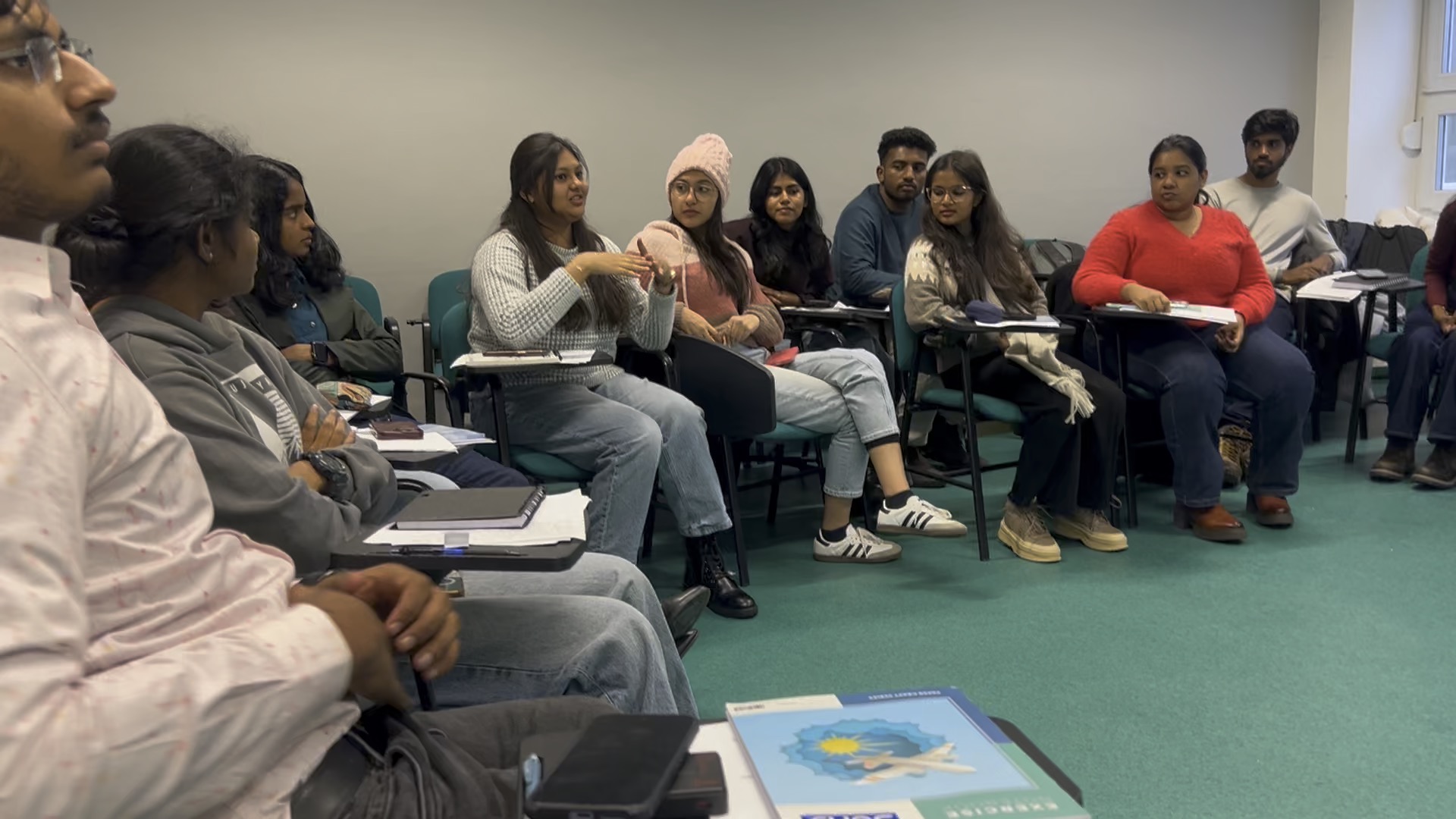
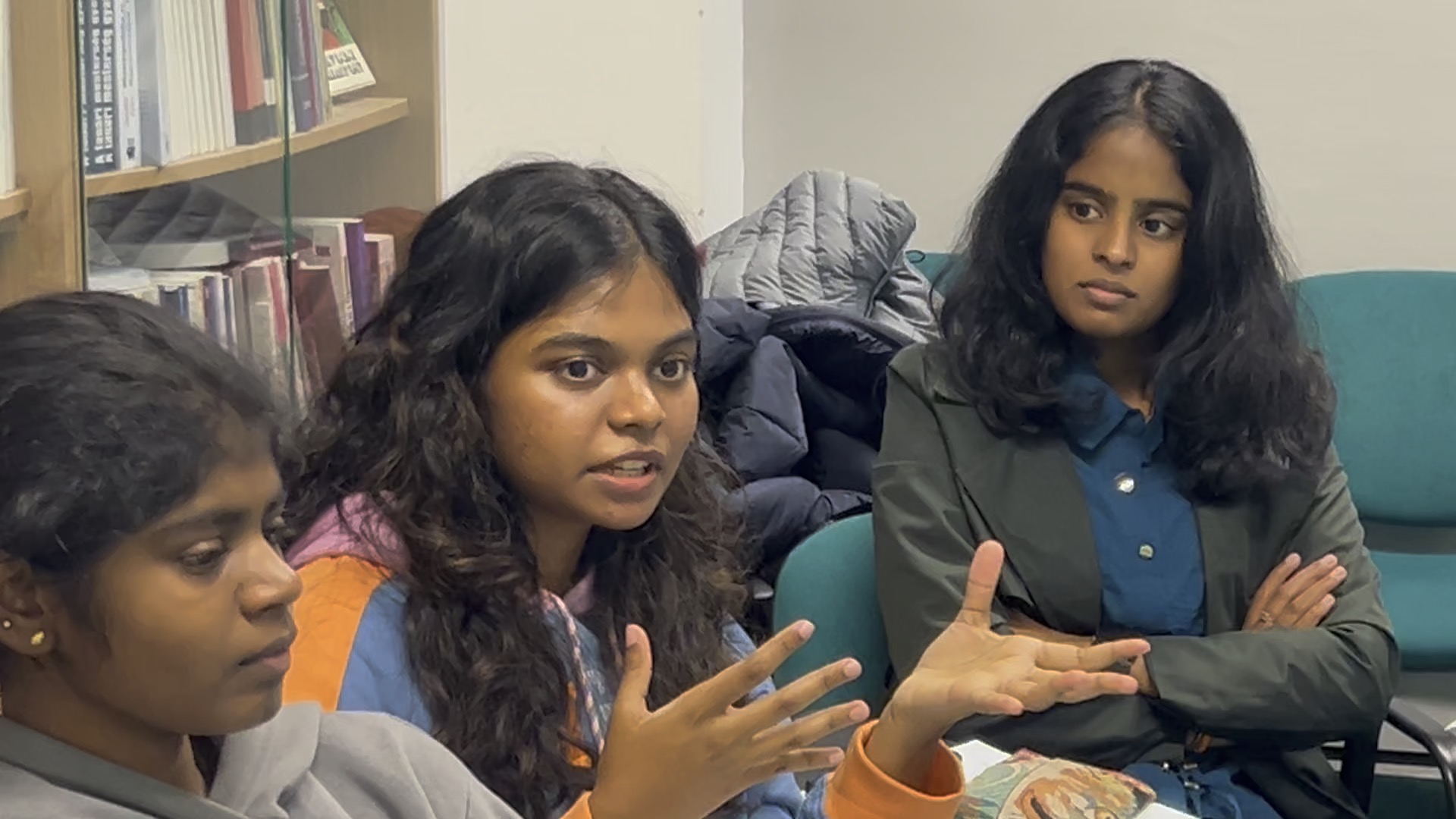
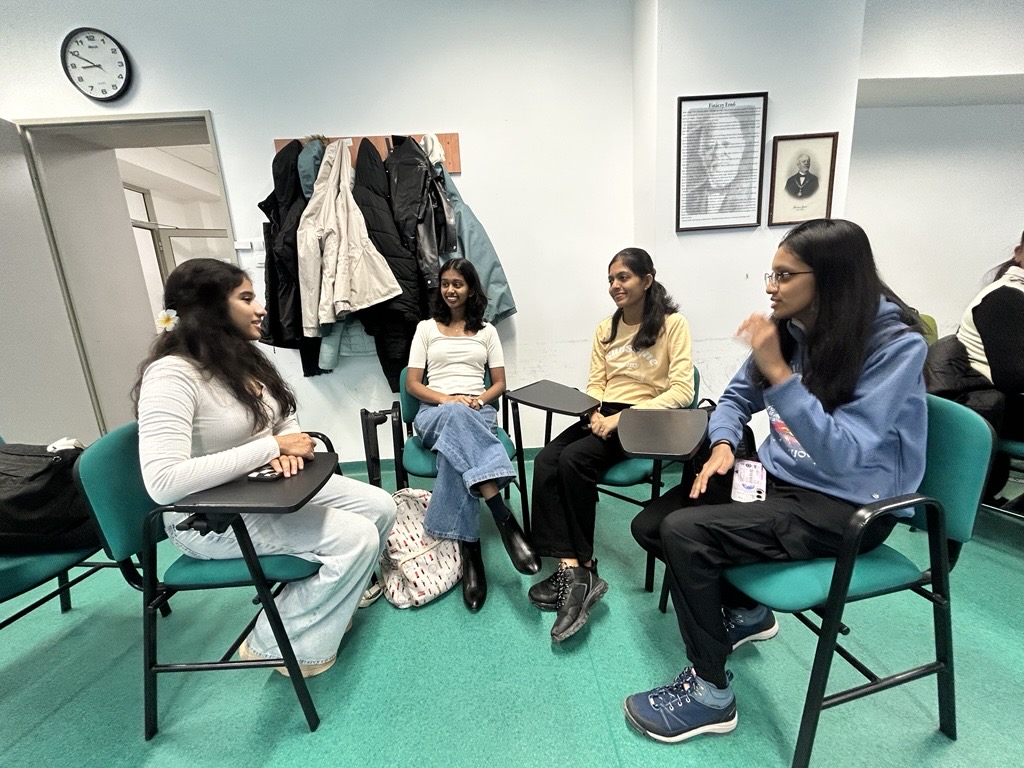
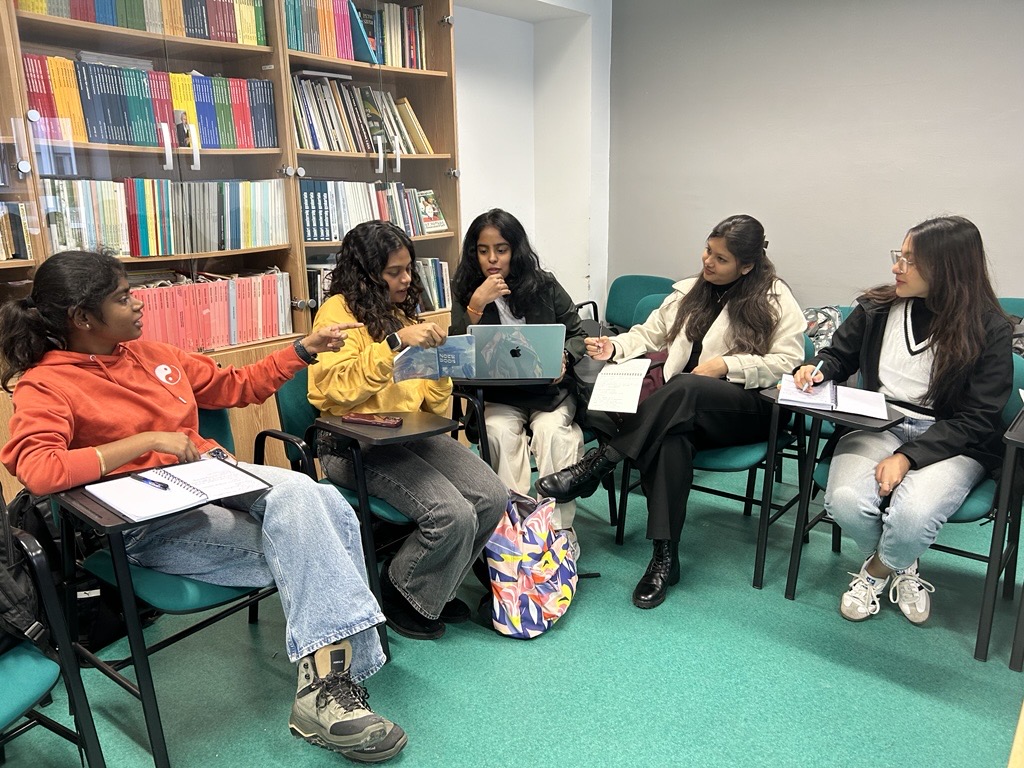
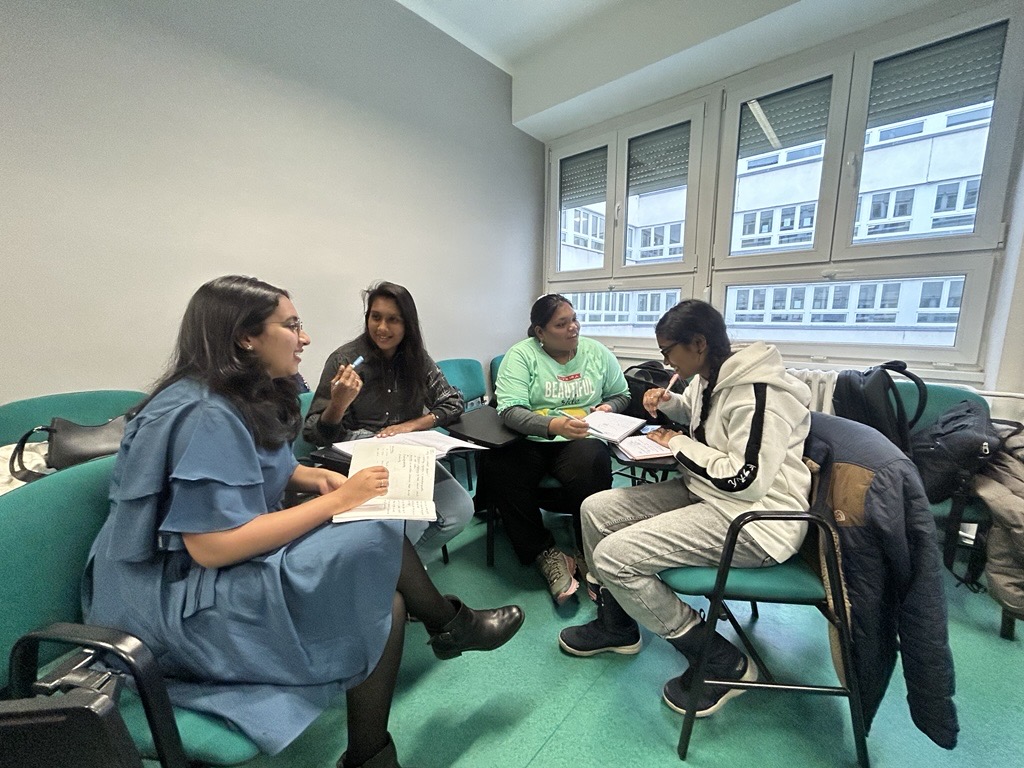
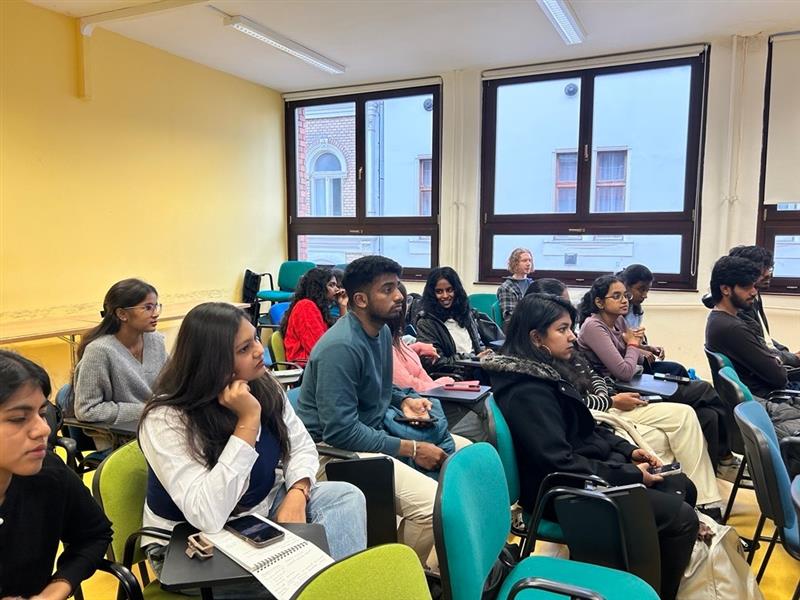
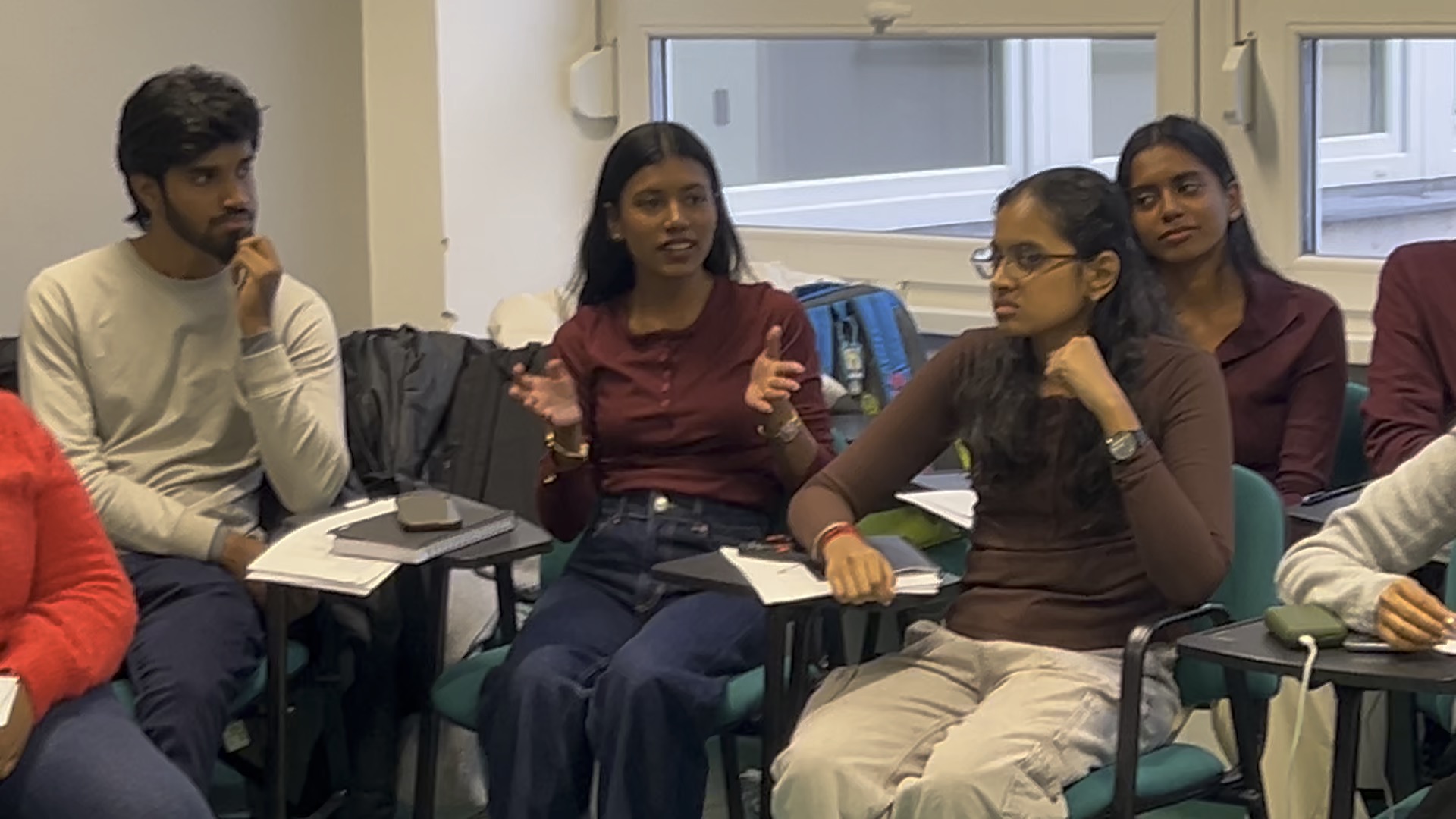
The academic immersion program, which took place over a period of two weeks in Budapest, Hungary, in collaboration with Eötvös Loránd University, provided a platform for psychological learning. During the program, the students were exposed to the non-verbal aspects of the brain, the senses, memory, perceptions, sleep, and therapeutic applications. It provided a platform to integrate neuroscientific theories with practical experiences. Some of the activities conducted were the students’ virtual diary project, which provided a platform to correlate personal experiences with neuroscientific theories.
Exposure to the local culture was also provided through visits to the Hungarian National Gallery, the Museum of Fine Arts, Budapest, a cruise on the Danube River to see the illuminated Hungarian Parliament Building, and independent travel to Vienna. It provided opportunities for intellectual growth, independence, cooperative learning, and the awareness of the impact of culture on cognition, education, and human behavior.
- Enhanced understanding of non-verbal brain processes and sensory psychology.
- Applied neuroscientific concepts to real-life experiences through reflective assignments.
- Strengthened presentation, analytical, and scientific interpretation skills.
- Developed intercultural competence through exposure to Hungarian and Austrian contexts.
- Improved autonomy in navigation, time management, and group coordination abroad.
- Gained experiential insight into art, history, and architecture as cultural expressions.
- Understood therapeutic applications of music, imagery, and memory in psychology.
- Built collaborative skills through interactive academic and creative activities.
- Expanded global academic perspective through dialogic and reflective pedagogy.
- Fostered personal growth, adaptability, and cross-cultural sensitivity.
Day-wise Report
02/02/2026, Monday
Arrival to Budapest:
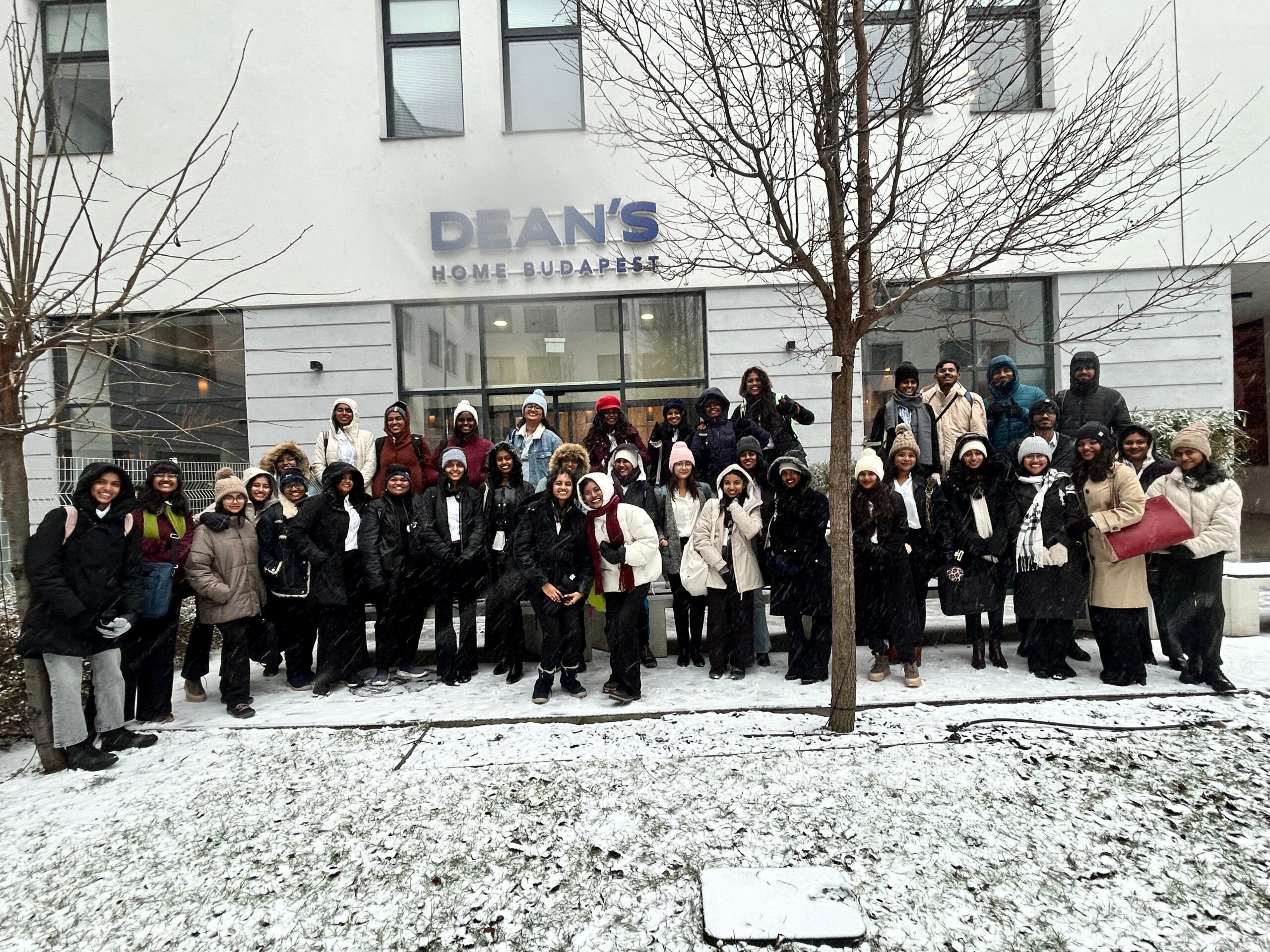
The Students and Faculty successfully landed in Budapest at approximately 1.45 p.m. Soon, proceeded to the place of residence, Dean’s Home Budapest. After settling in the rooms, the students explore the nearby stores and restaurants in the vicinity of the residence for dinner plans. Everyone retired to their rooms for rest and to prepare for the open day.
03/02/2026, Tuesday
Open Day at the Eotvos Lorand University Campus:
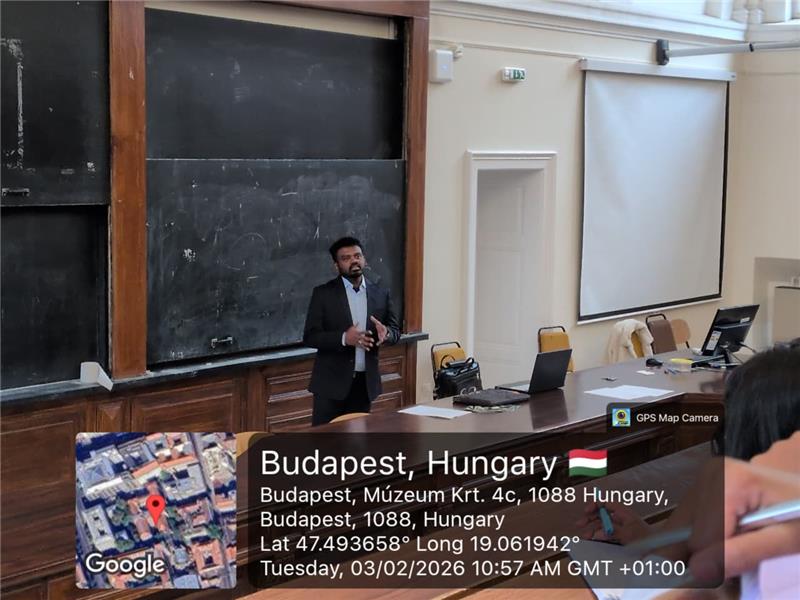
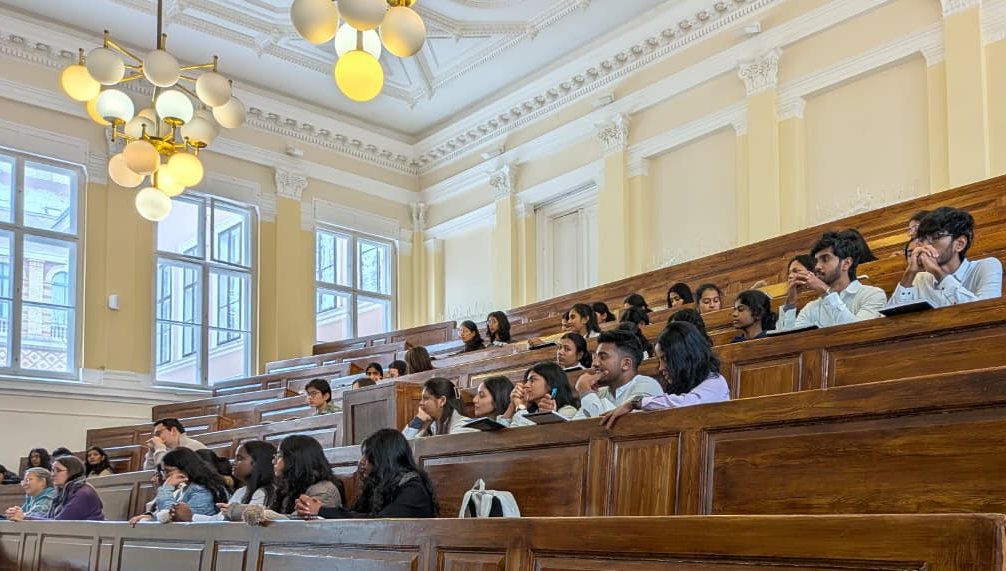
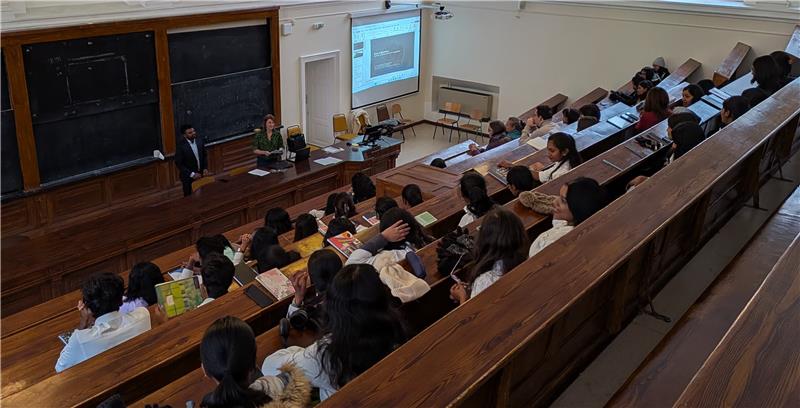
A warm welcome by the students and faculty of the university followed by a session conducted by Dr. Gnanaprakash, Head of Department, who elaborated on the connection between non-Verbal aspects of the brain and its relevance to Industrial Organizational Psychology. A case study The Ordinary Heroes of Taj: the Taj Hotels was discussed to elaborate on the differences between collectivist and individualistic cultures, highlighting cultural orientation impacts, teamwork, crisis response and employee involvement.
An introductory session was also arranged to brief the students about the schedule and structure of the course. It provided an overview of Hungarian culture, local customs, and important guidelines and rules to be followed during the stay in Budapest. Following the session, lunch was provided in the university canteen. Later, the students visited a store nearby to purchase necessary winter essentials, if required. The open day concluded with an organized city tour, which allowed the students to familiarize themselves with the surroundings and experience the local environment.
04/02/2026, Wednesday
Session Day 1 at Eotvos Lorand University Faculty of Education and Psychology and Visit to the Hungarian House of Music:
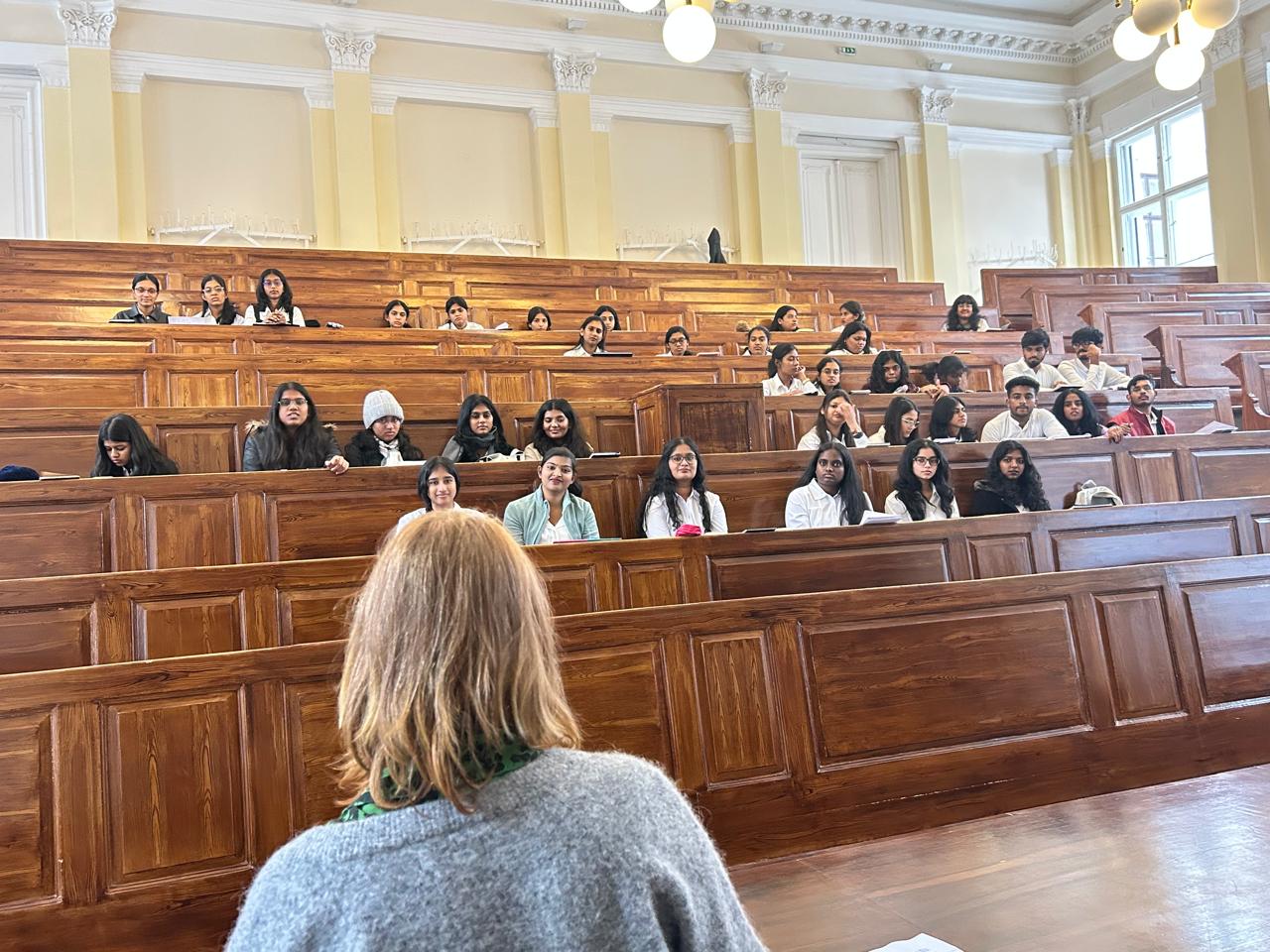
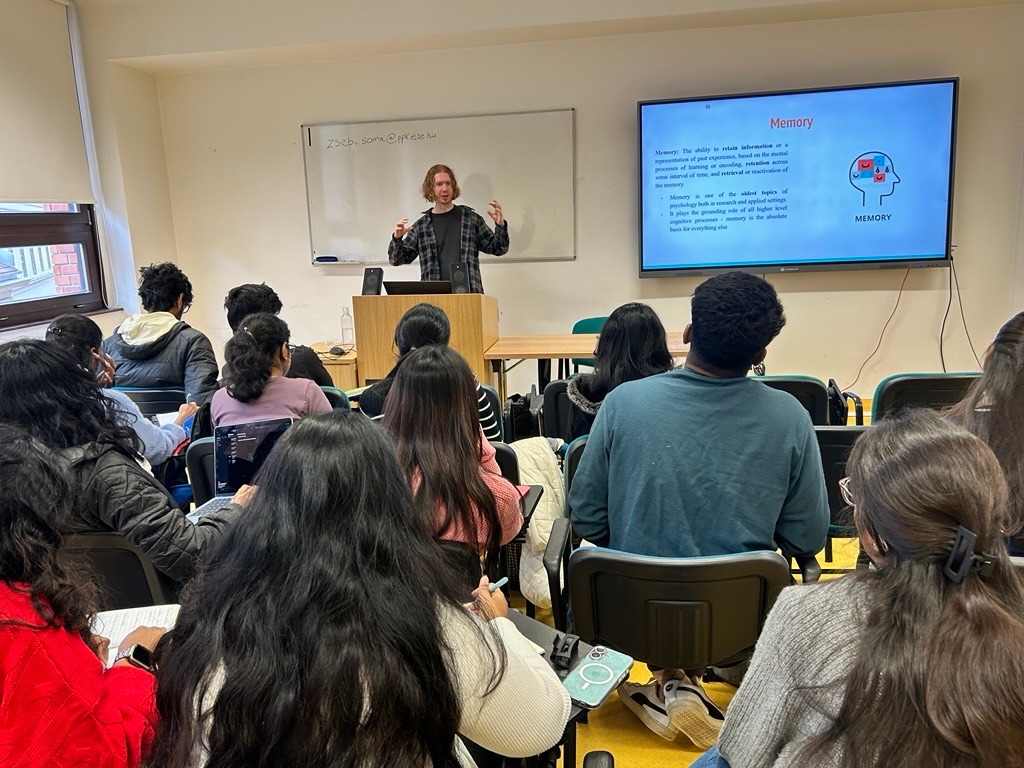
The first session in the university’s psychology campus began with an engaging ice breaking activity in which students were encouraged to select two cards which best represented them. This interactive exercise provided moments for self-reflection and open discussion, helping students feel comfortable and connected with the environment. The session then introduced the concept of Non- verbal Brain and sensation laying the foundation for understanding non-verbal processes in psychology The faculties also provided an overview of the five senses- sight, hearing, touch, taste and smell and discussed their biological basis and psychological significance, particularly their role in perception, behavior and environmental interaction.
Following the session at the university, the group visited the Hungarian House of Music, where students had the opportunity to attend the music show. The experience was both calm and fascinating as it took place in a dome-like structure that created an immersive visual and auditory environment engagement.
The day continued with a visit to Heroes’ Square, an important historical and sightseeing landmark. Students admired the architectural grandeur, open surroundings, and pleasant weather, making it a memorable cultural experience.
05/02/2026, Thursday
Session Day 2 at Eotvos Lorand University Faculty of Education and Psychology and Visit to Hungarian National Gallery:
The second session focused on tactile sensation and its psychological and biological foundations. The faculty explained the development of the sense of touch beginning from the gestational stage, emphasizing how tactile perception is one of the earliest senses to develop in the womb. The session highlighted the importance of touch in emotional regulation, attachment, and overall psychological well-being. Students were introduced to the concept of the “butterfly hug” a self-soothing bilateral stimulation technique, and were guided to practice it during the session, adding a relaxing feeling. The activity supports emotional regulation, reduces self-esteem issues, and addresses concerns related to body image and body dysmorphia.
Later that evening, the group visited the Hungarian National Gallery, which offered a remarkable journey into the historical and artistic heritage of the country. The gallery is located within the buda castle situated at a higher elevation, providing a breathtaking panoramic view of the Danube River, the Hungarian Parliament Building, and the cityscape of Budapest. Inside the gallery, students admired the magnificent architecture and explored a diverse collection of Renaissance and contemporary artworks, gaining deeper insight into Hungary’s cultural and artistic evolution.
06/02/2026, Friday
Session Day 3 at Eotvos Lorand University Faculty of Education and Psychology and Hungarian folk-dance lesson:
The third day of the program centered on the senses of taste and smell. The session began with a detailed briefing on gustatory perception and its psychological implications, including a discussion on various eating disorders and their connection to sensory processing, body image, and emotional regulation. The biological and psychological mechanisms underlying taste were explained to help students understand how sensory experiences influence food preferences and eating behaviors.
An interactive activity was conducted; students were given unlabeled bottles and asked to identify different scents. This exercise highlighted the strong connection between the olfactory bulb and memory, demonstrating how certain smells can trigger vivid recollections of past experiences and emotions. The activity provided practical insight into the neurological basis of scent and its deep association with personal memory.
In the evening, students were introduced to Hungarian folk dance. They learned that Hungarian folk dance consists of several regional styles and forms, and approximately twelve different types were introduced during the session. The group visited a small- cafe like setup where the mentor demonstrated and taught each dance step-by-step.
She also explained the historical background and cultural significance of each dance form, enriching the learning experience. Additionally, the mentor introduced students to the musical instrument commonly used to accompany the dances and demonstrated its basic usage. The students actively participated by performing each dance alongside the mentor enjoying the immersive cultural exchange.
07/02/2026, Saturday
Trip to Szentendre:
On Saturday, 7th of February, students visited Szentendre, which is a historic town located around 40 minutes to one hour away from the accommodation in Budapest. The visit was organised by the ELTE University. We took a train from Batthyanny Ter.
We arrived in Szentendre and visited the Ferenczy Museum, which is also known as the Szentendre City Museum. It was established as a local history collection and displayed an extensive collection of paintings, literary works, and sculptures of Ferenczy family and other artists. These exhibits showed valuable insight into Hungarian cultural history. The artworks were mostly on realism, natural landscapes and human expressions, and their descriptions would often offer insight into cultural and social influences that led to their creations.
In addition to the museum visit, we observed a small branch of the Danube River flowing near the town. Following these activities, we utilized a couple more hours for lunch, exploring the town, and visit local shops.
The atmosphere in Szentendre was quite vibrant, and its cultural richness made the trip educational as well as enriching. Overall, the visit significantly contributed to our understanding of Hungarian art, history, and geography.
Post our arrival from Szentendre, we had the opportunity to see the Hungarian Parliament Building, which was beautifully lit against the night sky, highlighting the architecture of the building.
09/02/2026, Monday
Forenoon Session:
On February 9th, we presented our assigned project, which involved making a visual diary on our personally meaningful pictures and memories that we took during the first week in Budapest. The objective of this assignment was to connect non-verbal experiences with neuroscientific theory, engaging in a small scale research, and apply the interpretation to our everyday events.
We learned about the different types and functions of memory, including explicit and implicit memory, and gained understanding of how working memory helps us hold and process information. We explored how memory works on a neuroscientific basis particularly involving the role of hippocampus, mediotemporal lobe and neocortex regions of brain including association areas of lobes and their respective sensory functions that are involved in storing and organising information and distributed across different parts of the brain over time through case studies of HM.
Additionally, we also learned why memory is not always accurate and how forgetting or attributional errors (cognitive biases) such as FAE, Hindsight Bias, Self serving bias and etc that may influence how individuals recall experiences and assign meaning to situations.
Danube River Boat Cruise:
On the same evening, we went on an one hour boat cruise along the Danube River from 6 PM to 7 PM, which was organised by the university. The cruise gave a beautiful experience of Budapest from a different perspective and appreciated the city’s architectural and historical landmarks.
One of the most remarkable highlights of the cruise was viewing the illuminated Parliament Building of Hungary which is one of the most significant governmental structures as the National Assembly. The building against the dark sky created a cinematic atmosphere, while observing the city’s skyline from the riverfront. The experience was memorable, leaving a lasting impression on us.
10/02/2026, Tuesday
Forenoon Session:
On 10 February, the morning session was dedicated to the auditory aspect of human perception, which included the processing of sound in the human brain and the effects it has on human cognition, emotion, and behavior.
In this session, we learned about the wave activity that occurs in the human brain, which is connected with the perception of sound and pain, the role that dopamine plays, and the structures in the human brain that are connected with the perception of sound and pain, such as the amygdala, hippocampus, and cerebellum.
We also learned about the role that the right hemisphere plays in the processing of rhythms, which has a direct impact on motor coordination, while pitch and tone are connected with emotion. Music has been a part of human evolution, and it has been used for therapeutic purposes, such as the treatment of Parkinson’s disease.
In addition, we learned about hearing-related problems, such as hearing loss, its effects on the human brain, auditory sensitivities, sound patterns, and auditory hallucinations, which are connected with conditions such as schizophrenia.
Museum of Fine Arts, Budapest:
In the evening, we visited the Budapest Museum of Fine Arts, which is considered to be one of the most important cultural site in Hungary. It was established in 1906. It is located at Heroes’ Square. It is known for its outstanding Neoclassical style.
The museum has a vast collection of art pieces that range from the classical period to the modern period. It includes European art pieces like paintings, sculptures, and graphic art. It includes art pieces from the Italian Renaissance, Spain, the Netherlands, Flanders, etc. It also includes the Egyptian collection. It includes the antiquities of the classical period. Through this visit, we were able to see the evolution of European art. It provided us with a better idea of the evolution of European art.
11/02/2026, Wednesday
Forenoon Session:
On 11th February, the topic of the visual dimension of the senses was discussed, along with the psychological implications of this dimension of the senses. The way the brain processes this information was discussed, as well as how distortions of this information can take place through a phenomenon called visual illusion. Several examples of this were discussed, including the Müller-Lyer illusion, the Troxler effect, the checker shadow illusion, the Poggendorff illusion, and the impossible trident.
Another topic discussed was the basic visual elements of shape or pattern and how this information is processed meaningfully by the brain. The topic of sleep and dreaming was discussed as well. The various stages of sleep were discussed, as well as how different parts of the brain are activated during this period of dreaming. The importance of sleep was discussed as far as how memories are consolidated during this period.
Various theoretical approaches to dreams were discussed, including the psychoanalytic theories of Freud and Jung, as well as more modern approaches to dreams, including emotional regulation. The use of dream analysis as an instrument to understand the unconscious, to promote catharsis, and to aid in therapeutic interventions, including cognitive behavioral therapy, was discussed. The use of the term lucid dreaming, dream work, fantasy, and mind wandering, as well as the use of mental imagery and imagination, was discussed. A brief overview of Katathym-Imaginative Psychotherapy, an approach to therapy developed in Hungary, was given.
Closing Session:
At the end of the academic sessions, we were given a certificate for the successful completion of the course. Subsequently, we went to the university library to attend the closing session of the program. The library is known for its historic architecture, vintage design, and spacious reading halls. It is popularly known for being similar to the settings of the Harry Potter movie series and is often associated with movie shooting sites because of its unique design.
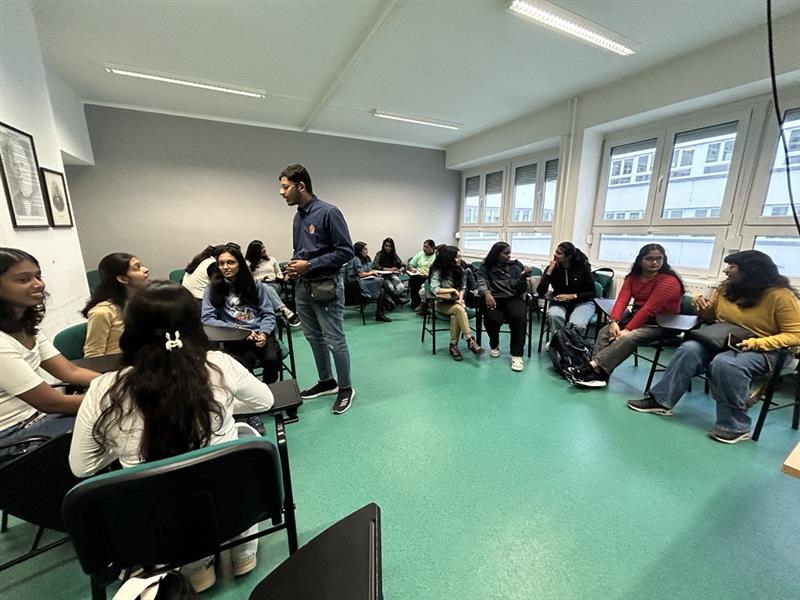
In this environment, interactive activities were organized to engage non-verbal and creative cognitive skills. These activities included communicating in Morse code, creating a poster, and creating a silent movie. The environment of the library, along with the interactive activities, served as a significant conclusion to the program.
12/02/2026, Thursday
The day following our certification distribution at Eötvös Loránd University, the atmosphere among us was deeply emotional. The course had formally concluded, yet the intellectual and personal rapport built with our experts lingered with quiet intensity.
With no structured academic schedule, the day transformed into one of self-exploration. In small groups, we navigated Budapest independently, visiting places such as Fisherman’s Bastion, Vajdahunyad Castle, and the szemlő-hegyi cave system.
- Szemlő-hegyi Cave, A subterranean limestone cave known for its unique mineral formations and therapeutic microclimate beneath the Buda Hills.
- Fisherman’s Bastion, A neo-Gothic terrace offering panoramic views of the Danube and the Hungarian Parliament, symbolizing Budapest’s historic grandeur.
- Vajdahunyad Castle, an architectural ensemble blending Romanesque, Gothic, Renaissance, and Baroque styles, reflecting Hungary’s layered historical identity.
This day fostered practical and psychological growth. Navigating public transportation, coordinating within groups, communicating with locals, and managing time and routes strengthened our autonomy and intercultural competence. Beyond sightseeing, the experience enhanced decision-making, adaptability, and collaborative skills.
13/02/2026, Friday
We departed Budapest at 6:00 a.m., taking a scenic 2-hour 30-minute train journey to Vienna, watching the landscape shift gently across borders. Upon arrival, we purchased a 24-hour travel pass and independently navigated the Vienna metro system, strengthening our confidence in cross-country mobility and urban adaptability.
- Stephan Platz, the historic central square anchored by St. Stephen’s Cathedral, reflecting Vienna’s architectural and religious heritage.
- Arsenal Museum, A military history museum preserving Austria’s wartime narratives and technological evolution.
- Sigmund Freud Museum, the former residence and workplace of Sigmund Freud, offering insight into the origins of psychoanalysis.
Beyond structured visits, the day unfolded through exploration: sharing a hearty lunch, purchasing souvenirs as tangible memory markers, and experiencing Vienna’s urban rhythm firsthand. We returned to Dean’s Home Budapest by 10:00 p.m., physically tired yet intellectually enriched by the independence, coordination, and intercultural navigation the day demanded.
14/02/2026, Saturday
The pace slowed into a quieter rhythm as we explored Budapest through its contemporary commercial spaces, visiting West End City Center, browsing electronics and local products at MediaMarkt, and walking through Arena Mall. Beyond shopping, the experience offered insight into Hungarian consumer culture, pricing structures, brand presence, and the subtle differences in retail behaviour compared to India, from store organization to customer interaction styles.
Alongside shopping for souvenirs, we consciously indulged in traditional Hungarian cuisine, tasting rich paprikash, hearty goulash, and freshly fried lángos. Each dish reflected Hungary’s culinary identity, where paprika, warmth, and comfort intertwine, offering cultural understanding through flavour rather than textbooks.
Observing Budapest’s historical architecture and layered urban spaces also deepened our understanding of how the environment shapes behavior, a lived extension of our academic learning. The transition from structured instruction to independent exploration marked not an end, but an evolution in the immersion of experience.
As the evening approached, the act of packing became more than logistical preparation; it was psychological closure. Folding clothes into suitcases felt like folding memories into compartments, souvenirs carefully wrapped; receipts tucked away, photographs revisited. There was a quiet shift from exploration to reflection. The day was not merely about shopping; it was mentally preparing to return, carrying forward not just items, but perspective.
15/02/2026 – 16/02/2026
Sunday and Monday
On the final day we departed Budapest at 07:55 a.m., carrying more than luggage as our flight took us to Munich, before boarding the long-haul journey to Bengaluru (8 hours 20 minutes, non-stop). Leaving Budapest felt unexpectedly emotional — the city that once seemed foreign had slowly begun to feel familiar, almost like a second home.
As the aircraft ascended, memory flashed in fragments: sessions on the non-verbal brain, the distinctive pedagogy adopted by the faculty, the dialogic style of teaching that encouraged reflection over rote learning, the historic streets, disciplined public systems, and the quiet kindness of people we encountered. The immersion had not merely expanded academic knowledge; it reshaped our educational perspective, revealing how culture subtly informs teaching methods, classroom interaction, and intellectual inquiry.
We reached Coimbatore at 7:00 a.m. on 16th February Monday. This journey stands as a testament to the opportunity provided by Kumaraguru College of Liberal Arts and Sciences, whose vision enabled this global exposure. We extend heartfelt gratitude to Dr. Dhayal sir for coordinating the programme with dedication and to Dr. Gnanaprakash (Head of the Department, Psychology) for his constant mentorship, guiding us through both professional and personal dimensions of the experience. We returned home safe and sound, carrying not just souvenirs, but gratitude, intellectual growth, and memories etched deeply within us. A journey that concludes geographically yet continues cognitively and emotionally.